- Wool Rugs History
- Wool Rugs Construction
- Wool Rugs Care Instructions
- Wool Rugs Common Issues
- Wool Rugs Benefits
- Wool Rugs Warnings
- Wool Rugs Quick Facts
- Origin
- Age
- Material
- Room Suitability
- Designer Psychology
- Cleaning Frequency
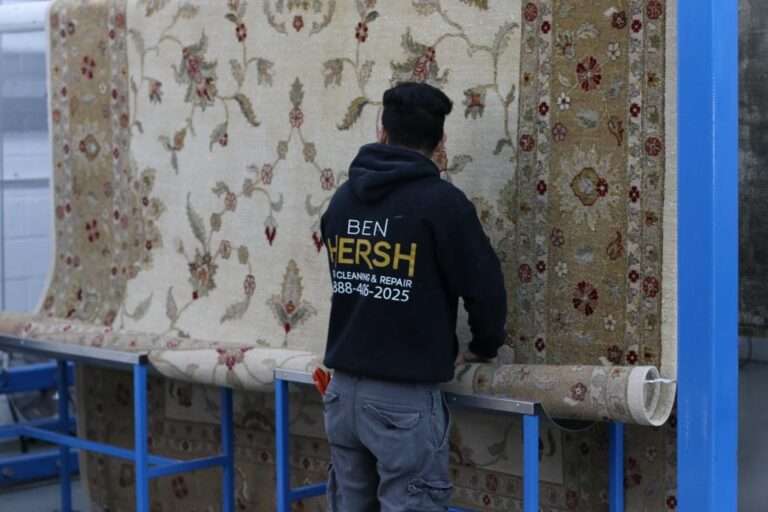
Wool rugs represent the gold standard in natural fiber floor coverings, prized for their exceptional durability, comfort, and inherent beauty. These versatile textiles have graced homes for thousands of years, standing the test of time while providing unmatched warmth and resilience.
The Remarkable Benefits of Wool Rugs
Wool’s natural properties make it uniquely suited for rugs. The fiber’s structure includes microscopic scales that give wool its remarkable resilience—it can compress repeatedly under furniture and foot traffic, then spring back to its original shape. This natural “memory” allows wool rugs to maintain their appearance far longer than most alternatives.
Beyond durability, wool offers exceptional insulating properties, helping New Jersey homes stay warmer in winter and cooler in summer. The fiber’s ability to regulate humidity makes wool rugs particularly valuable in the variable Mid-Atlantic climate, where they help maintain comfortable indoor environments throughout seasonal changes.
Distinctive Features of Wool Rugs
What makes wool rugs extraordinary is their combination of practical benefits and aesthetic qualities. Wool naturally repels liquids for a short period before absorption begins, providing crucial time to blot spills before staining occurs. The fiber’s scales make it naturally resistant to soiling, as dirt tends to rest on top of the pile until vacuumed away.
Wool’s natural crimp creates built-in springiness that enhances comfort underfoot while providing acoustic benefits by absorbing sound. This makes wool rugs particularly valuable in Philadelphia brownstones, Jersey City apartments, and other urban homes where noise reduction enhances livability.
The fiber takes dye beautifully, allowing for rich, lasting colors that maintain their vibrancy for decades. Wool’s subtle variations in texture create natural dimension and depth, whether in hand-knotted Oriental pieces or tufted contemporary designs.
Selecting the Perfect Wool Rug
When choosing a wool rug for your New Jersey home, consider these important factors:
Construction Styles: Wool adapts beautifully to various construction methods—from luxurious hand-knotted treasures to more affordable hand-tufted and machine-made options. Each offers different benefits in terms of appearance, texture, and longevity.
Weight and Density: Higher-quality wool rugs feature denser pile weights, creating more substantial pieces that wear better over time. This density makes them ideal for high-traffic areas in busy Delaware Valley family homes.
Regional Considerations: Wool’s natural insulating properties make it particularly valuable in older Princeton and Montclair homes with original hardwood floors, where it adds crucial warmth during harsh New Jersey winters while being naturally flame-resistant.
Care Requirements: While wool offers exceptional durability, it benefits from professional cleaning every 2-3 years to remove embedded soil and maintain its appearance. This regular maintenance ensures that wool rugs continue to enhance North Jersey and Philadelphia area homes for generations.
